

FEED NEWS
Feed News from Oceania

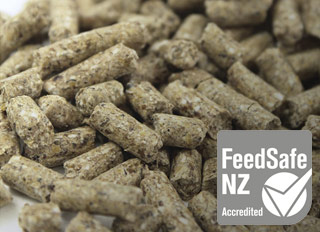
A new accreditation has been made available to New Zealand animal feed manufacturers, to obtain accreditation for the quality of their production.
The new accreditation, FeedSafeNZ is... More »

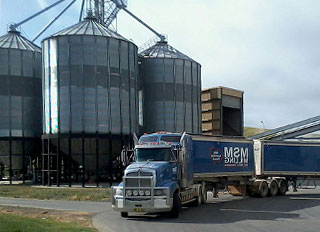
Australian canola crushing business MSM milling continues to add to its business with the completion of its state of the art livestock feed pelletising plant in August. The company looked continue... More »

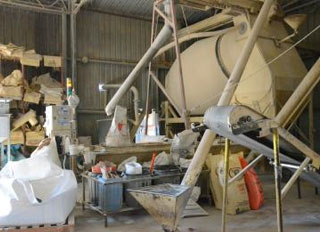
Australian feed manufacturer Thompson & Redwood, earlier this year modernised its manufacturing plant. Partnering with Siemens Solution Partner, AP Automation, they achieved a seven percent... More »
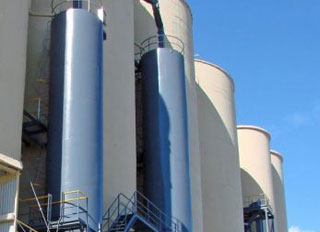
Tasmanian based feed and grain trader, Tasmanian Stockfeed Services, has purchased the Devonport Silos for AUD$1 million from Australian agribusiness Ruralco.
The Devonport silos are based... More »
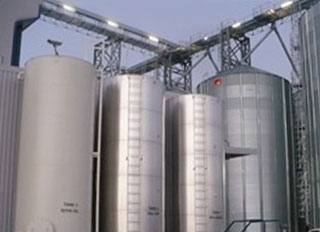
Feed statistics reflect the growth of New Zealand dairy production
Annual Feed Production Statistics compiled by the New Zealand Feed Manufacturers Association (NZFMA) for the year 2013... More »
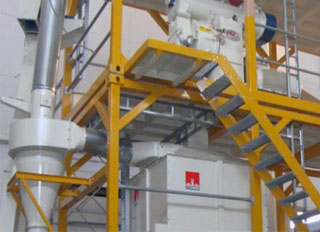
A brand new, high-tech aquaculture feed production facility could be operating in Blenheim by 2015.
Fish feed company Big Nutrition and Blenheim firm Aquaculture Direct have completed a... More »
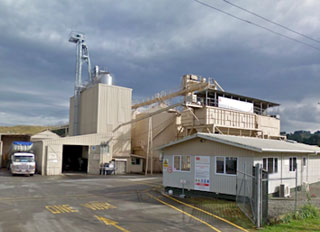
SealesWinslow's upgraded Wanganui stock feed mill is up and running following a multi-million redevelopment.
The animal nutrition producer has celebrated the new site with a quick sales... More »
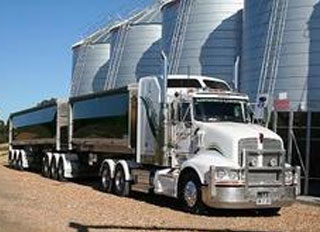
Family owned transport business 'We Us An Co' are aiming to expand and grow business with their newly completed AUD$1 million livestock feed mill.
The feed mill located in Lucindale, South... More »
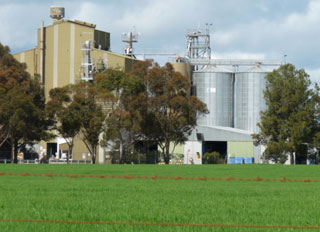
Australia's leading manufacturer of stockfeed Ridley Corporation has announced its plans to start a modernisation program in the coming year for its feed mills.
In 2012 Ridley Corporation... More »
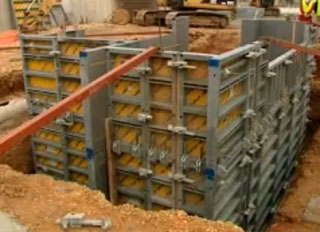
Construction began last week on a new pellet feed mill which is set to boost production at MSM Milling, a primarily oilseed processing company located in Manildra, NSW.
Once built the... More »
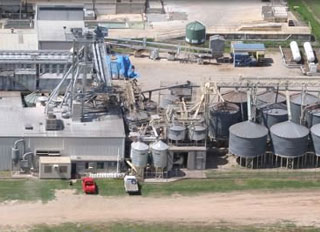
The latest report released by market researchers IBISWorld on the Australian animal feed production shows that the industry shrank 5.8% in the last five years.
The industry has been hard... More »
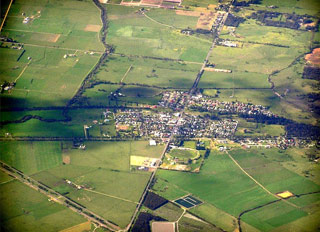
The building of a AUD$15 million stock feed production facility located at Lang Lang, is being built using state of the art technology with the aim to fast-track Victorian-based Irwin Stockfeed's... More »
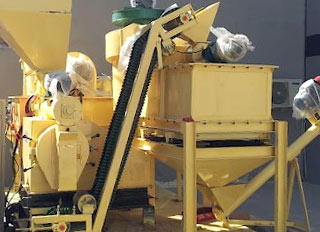
The new research project set up to help assist Papua New Guinea's (PNG) aquaculture, pig and poultry sectors to develop cheap balanced diets and to promote the establishment of small scale feed... More »

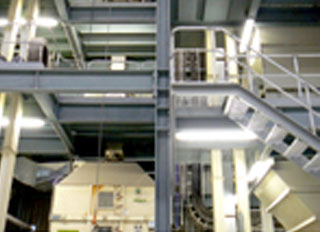
New Zealand fertiliser co-op Ballance Agri-Nutrients is moving closer to full ownership of Seales Winslow, an independent New Zealand suppliers of customised animal feeds, in order to create a new... More »

The Australian feed milling industry has appealed to grain growers to be more attentive to quality assurance (QA) to guarantee contamination problems don't endanger the feed supply chain.... More »

