Grinding, as an operational stage in feed manufacturing, is the process of reducing the particle size of raw ingredients — most commonly whole grains — to a size suitable for the formulation and processing method being used downstream, typically performed using a hammer mill or roller mill. Grinding is usually one of the first processing steps applied to whole-kernel ingredients after receiving and before batching and mixing.
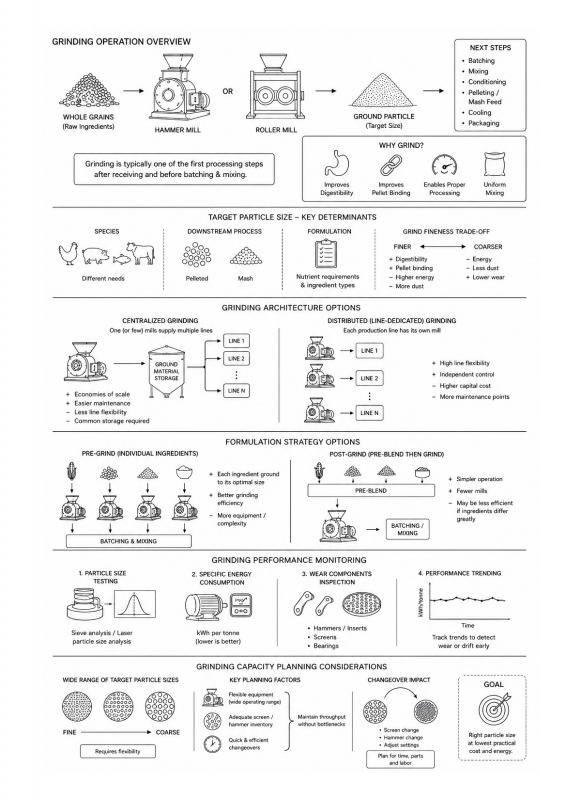
The target particle size for a grinding operation is determined by the species being fed, the downstream process (pelleted versus mash feed, for example), and formulation requirements, with finer grinds generally improving digestibility and pellet binding but requiring more energy to achieve and sometimes increasing dust generation.
Some feed mills operate grinding as a dedicated, centralized stage feeding multiple downstream production lines from a common ground-material storage system, while others integrate grinding more tightly into individual production lines, with each line having its own dedicated mill — the choice between centralized and distributed grinding architecture affects flexibility, capital cost and how readily different particle size targets can be achieved for different products run through the same facility.
Pre-grinding versus post-grinding formulation strategies also vary between mills: some formulations call for individual ingredients to be ground separately to their own optimal particle size before batching together, while others grind a pre-blended mixture of ingredients together, with the choice affecting both grinding efficiency (since different ingredients may have quite different optimal grinding characteristics) and the practical complexity of the milling operation.
Grinding operation performance is typically monitored through particle size testing, specific energy consumption tracking, and routine inspection of wear components such as hammers and screens, since gradual equipment wear causes the resulting particle size to drift coarser over time if not corrected through maintenance or screen changes.
Grinding capacity planning must also account for the fact that grinding requirements are not always uniform across a mill's product range — a facility producing a wide variety of formulations with quite different target particle sizes generally needs either flexible grinding equipment capable of efficiently covering that whole range, or enough grinding capacity and screen/hammer inventory to support relatively frequent changeovers between different grind specifications without creating a production bottleneck.
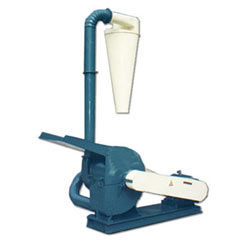

 Yangzhou, China

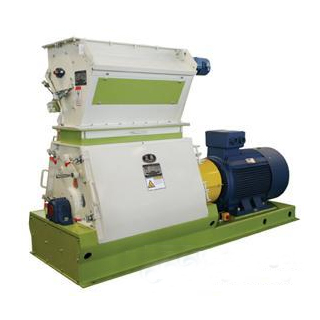
 Esbjerg O, Denmark