Friability describes the tendency of a pellet or other formed feed product to crumble, break apart or generate fine particles when subjected to mechanical stress such as handling, abrasion or impact — essentially the inverse concept to durability, where a highly friable pellet is one that breaks down readily, while a low-friability pellet resists breaking down under similar stress.
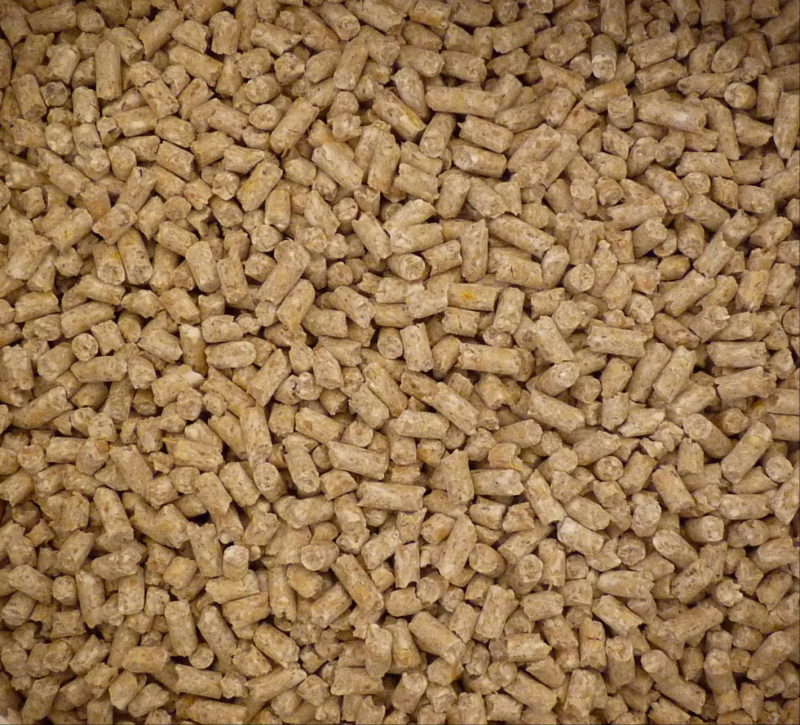
Friability and pellet durability index (PDI) describe closely related underlying physical behavior, though friability is sometimes used as a more general descriptive term while PDI refers specifically to the standardized tumbling test method and its resulting percentage score — in practical feed mill conversation, a "highly friable" pellet and a "low PDI" pellet are generally describing the same underlying quality characteristic from two different angles.
Friability testing methods beyond the standard PDI tumbling test exist in some contexts, including simple drop tests (releasing a measured sample from a fixed height onto a hard surface and assessing resulting fines generation) and other mechanical stress tests, which can provide a useful, fast supplementary check on pellet quality particularly suited to quick floor-level assessment rather than full laboratory PDI testing.
The factors influencing friability mirror those affecting pellet durability more broadly — formulation, particle size of the ground mash, conditioning temperature and retention time, die specification, and cooling all contribute to how friable or durable the finished pellet ultimately proves to be, meaning friability problems are generally diagnosed and addressed using the same troubleshooting approach applied to general pellet quality and durability issues.
High friability in finished feed is problematic not just for the immediate aesthetic or apparent quality issue of generating fines, but because excessive fines can affect palatability and intake for some species, create dust and housekeeping issues during handling and feeding, and in bagged products specifically, lead to visible fines accumulation at the bottom of bags that customers may perceive as a quality defect even if the nutritional content of the feed remains unaffected.
Some specific feed types are inherently more prone to friability challenges than others based on their formulation characteristics — high-fiber or low-starch formulations, for example, often present more pelleting and durability challenges than starch-rich formulations that bind more readily during conditioning and pelleting, making friability management a particularly active concern for certain product categories within a feed mill's overall product range.