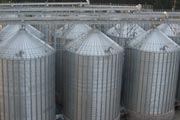
Ingredient receiving is the first operational stage in feed manufacturing, encompassing the inspection, sampling, weighing and unloading of raw materials as they arrive at the feed mill by truck, rail car or other transport, before being directed to appropriate bulk storage bins or bag storage areas. Receiving is a critical quality control checkpoint, since this is typically the last opportunity to identify and reject ingredients that do not meet specification before they enter the production system.
Standard receiving procedures generally include checking delivery documentation against the purchase order, visual inspection for contamination, off-odors or signs of spoilage, and sampling for laboratory analysis where moisture content, nutrient composition or contaminant testing is required, particularly for higher-risk ingredients or new suppliers.
Probe sampling — drawing samples from multiple depths and locations within a truck or rail car load using a long sampling probe — is the standard practice for obtaining a representative sample from bulk deliveries, since material can vary considerably within a single load due to settling or segregation during transport, and a sample taken from only the surface or a single point would not reliably represent the load as a whole.
Receiving documentation typically includes not just the immediate inspection and test results but also full traceability records — supplier identity, lot or batch number, delivery date and vehicle identification — which become essential reference information if a quality issue is later traced back to a specific ingredient delivery, supporting both internal quality investigations and any regulatory recall obligations that might arise.
Receiving also includes directing incoming material to the correct storage location — an error at this stage, such as unloading an ingredient into the wrong bin, can introduce contamination risks or formulation errors that may not become apparent until much later in production, making accurate receiving procedures and bin labeling/tracking systems an important operational safeguard.
Many mills also use the receiving stage as an opportunity to verify supplier compliance with agreed specifications over time, tracking rejection rates, moisture variability or other quality metrics by supplier, which can inform purchasing decisions and supplier relationship management well beyond the immediate accept/reject decision made for any single delivery.

 Bandırma, Turkey
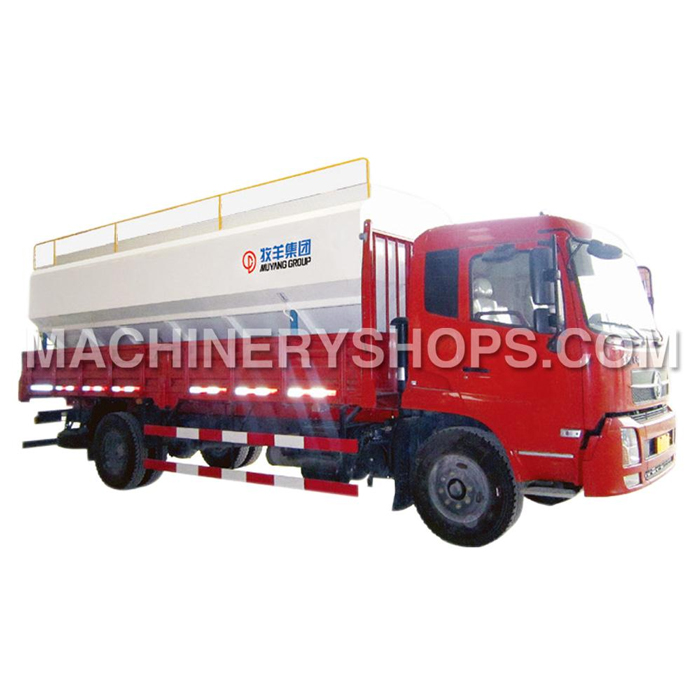
 Yangzhou, China