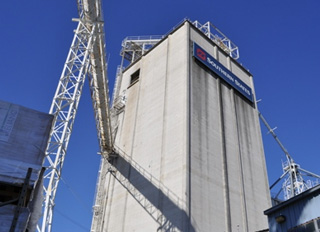
Dust explosion risk in feed milling arises from the fact that many organic feed ingredients, when finely divided into dust and suspended in air at sufficient concentration, can ignite explosively if exposed to a sufficient ignition source, such as a spark, hot surface or static discharge. Grain dust, soybean meal dust and other fine feed materials are all capable of forming explosive dust clouds under the right conditions of concentration and confinement.
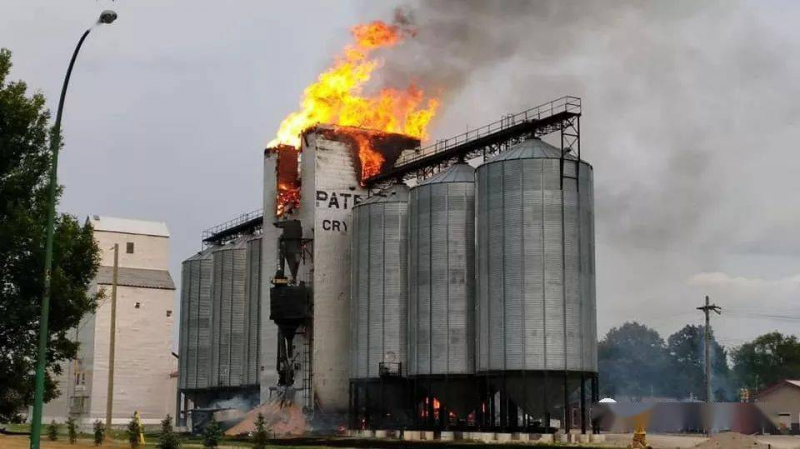
Feed mills manage dust explosion risk through a combination of approaches: minimizing dust generation and accumulation through good housekeeping and effective dust collection systems, controlling ignition sources through equipment design and maintenance (including spark-resistant construction in high-risk areas), and incorporating explosion protection measures such as explosion vents, suppression systems or isolation devices designed to limit the consequences of an explosion should one occur.
The classic "dust explosion pentagon" — fuel (combustible dust), oxygen, ignition source, dispersion (dust suspended in air rather than settled) and confinement — describes the five conditions that must generally all be present simultaneously for a dust explosion to occur, and most prevention strategies work by eliminating or controlling one or more of these elements rather than attempting to address all five simultaneously.
Explosion protection equipment commonly seen in feed mills includes explosion relief vents (designed to fail and vent pressure outward in a controlled direction before equipment housing can rupture catastrophically), chemical suppression systems (which detect a developing explosion in its earliest stages and rapidly inject a suppressant to extinguish it before it can propagate), and explosion isolation devices (designed to prevent an explosion in one piece of equipment from propagating through connected ductwork into other parts of the plant).
Regulatory standards in most jurisdictions require feed mills to conduct dust hazard assessments and implement appropriate engineering and administrative controls, making dust explosion risk management an integral part of feed mill design, operation and ongoing safety programs rather than an optional consideration, with specific equipment and housekeeping requirements often varying by jurisdiction but generally converging on similar underlying risk-reduction principles.
Housekeeping practices — particularly preventing dust layer accumulation on elevated surfaces such as beams, ductwork and equipment housings — are a frequently underestimated but critical part of dust explosion prevention, since a relatively minor primary explosion within an enclosed piece of equipment can dislodge accumulated dust layers elsewhere in the building, creating a much larger and more dangerous secondary dust cloud explosion if those accumulated layers have not been kept under control through regular cleaning.