The crumbling operation passes cooled pellets through a crumbler — a roller mill fitted with specially designed rolls — to break them down into smaller, irregular particles called crumbles, typically used in feeding applications where a full-size pellet is too large for the animal to consume effectively, such as young poultry chicks or some fish starter feeds.
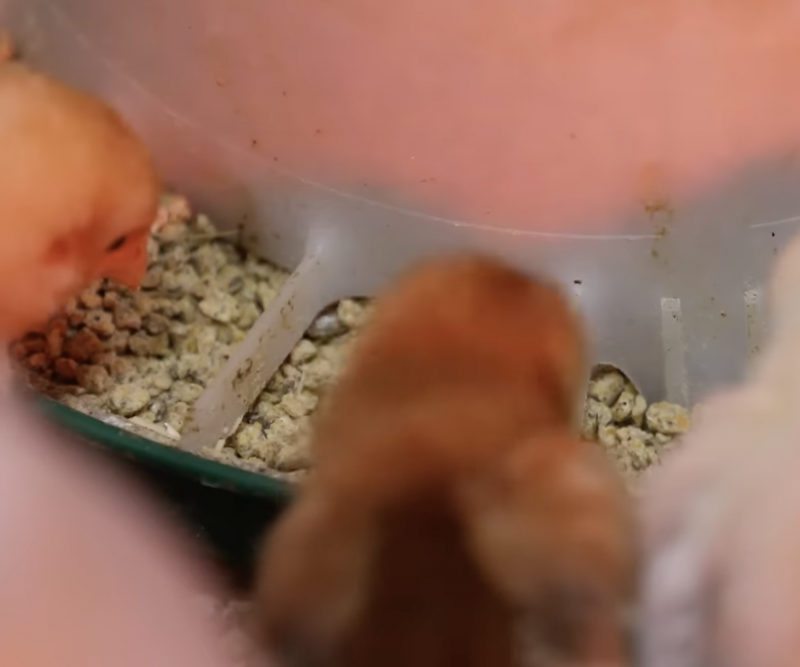
Crumbling is generally performed as a distinct operational step after cooling, since pellets need to have achieved adequate hardness and durability before crumbling to produce a consistent crumble size with minimal fine dust generation; crumbling pellets that are too soft tends to produce excessive fines rather than well-formed crumbles.
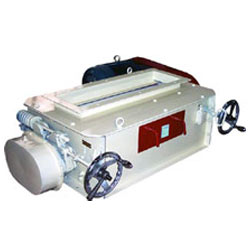
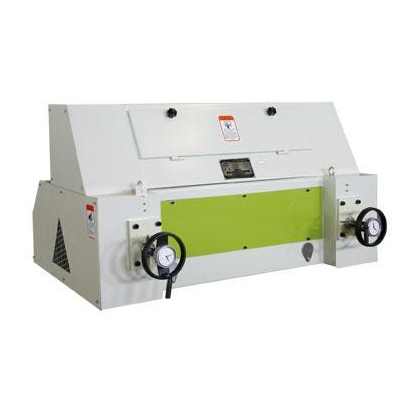
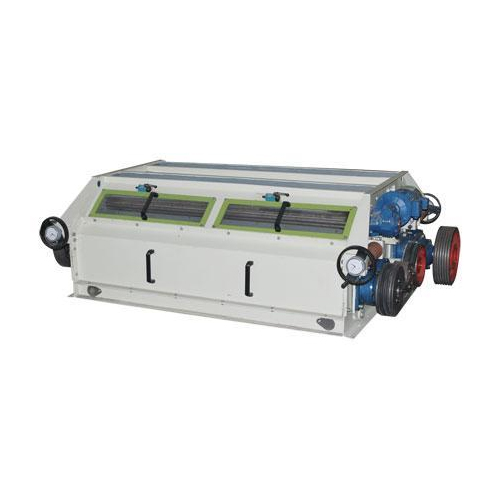
Crumbler roll design differs from standard roller mill grinding rolls in that crumbler rolls are typically corrugated with a coarser, more aggressive tooth pattern specifically suited to breaking pellets along natural fracture lines rather than the finer crushing action a standard grain roller mill would apply, reflecting the different objective (breaking an already-formed pellet into pieces of a target size) compared to grinding a whole grain ingredient from scratch.
Crumble size is controlled by the gap setting between the crumbler rolls, similar in principle to roller mill gap adjustment in grinding, and crumbled product is often screened after the crumbling operation to remove oversize particles or fine material, ensuring the finished crumble falls within the target size range for its intended feeding application.
The relationship between original pellet diameter and target crumble size is an important practical consideration in crumbling operation planning, since a given crumbler roll gap setting will produce somewhat different crumble size distributions depending on the diameter and hardness of the pellets being fed into it, meaning crumbler settings are typically re-verified through sieve testing whenever the upstream pellet specification changes, rather than assuming a fixed gap setting will always produce the same crumble outcome.
Fines generated during crumbling — material too small to be retained as acceptable crumble — are typically screened out and returned to the production process (often back into the mixing or batching stage) rather than discarded, making efficient fines recovery an integrated part of well-run crumbling operations rather than a simple waste stream.

 Foshan, China

 Crawfordsville, United States of America