Bagging and loadout operations are the final stages of feed manufacturing, during which finished feed is either packaged into bags of standard or custom weight for retail or smaller-scale distribution, or loaded directly into bulk trucks, rail cars or other transport for delivery to larger customers without bagging. Both bagging and bulk loadout require accurate weighing to ensure correct product quantity is delivered, along with appropriate labeling or documentation to support traceability.
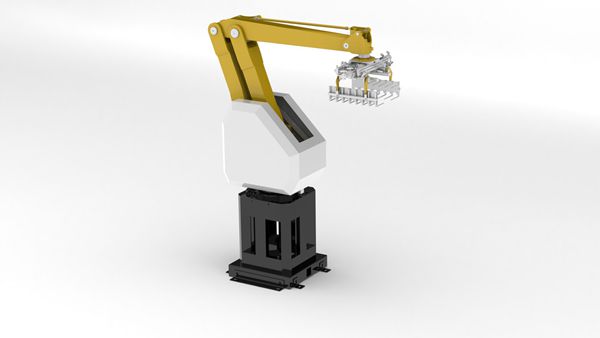
Bagging operations typically use automated or semi-automated bagging scales and sealing equipment, often integrated with palletizing systems for warehouse storage and distribution efficiency, while bulk loadout relies on scales — truck scales, rail scales or in-line flow metering — to verify the quantity loaded matches the order.
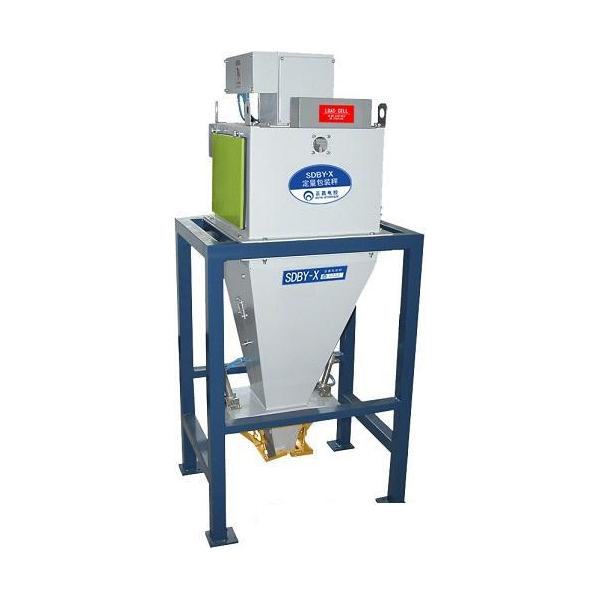
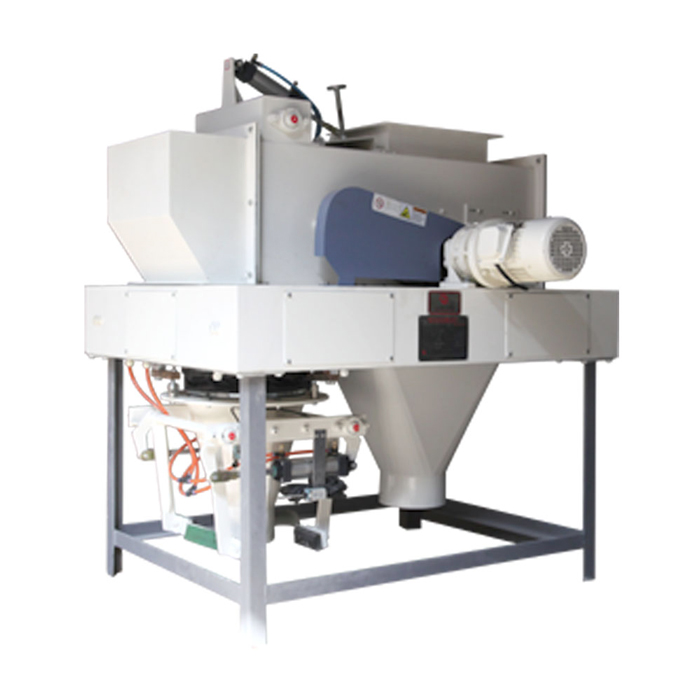
Automated bagging lines typically combine a net-weigh scale (filling and weighing each bag to a precise target weight before sealing) with downstream conveying, sealing and palletizing equipment, allowing relatively high-speed, labor-efficient bagging compared to older manual or semi-automated systems that required more direct operator handling of individual bags.
Bulk loadout sequencing — particularly where multiple products are loaded from the same facility, sometimes onto the same vehicle in separate compartments — requires careful operational control to ensure the correct product reaches the correct compartment, with many facilities using a combination of physical safeguards (dedicated, clearly labeled loadout spouts) and procedural verification (checking loadout documentation against the vehicle and compartment being filled) to prevent product mix-ups during loading.
Both bagging and loadout are important control points for final product quality verification and traceability documentation, since this is typically the last point at which a feed mill has direct control over the product before it leaves the facility, making accurate record-keeping at this stage important for both customer service and regulatory compliance, particularly for medicated feed products.
Final product sampling at bagging or loadout — retaining a representative sample of each batch as it leaves the facility — is a common quality assurance practice, providing a reference sample that can be tested later if a customer complaint or quality question arises after the product has already left the mill, without needing to rely solely on in-process test records from earlier production stages.

 Foshan, China

 Bandırma, Turkey